

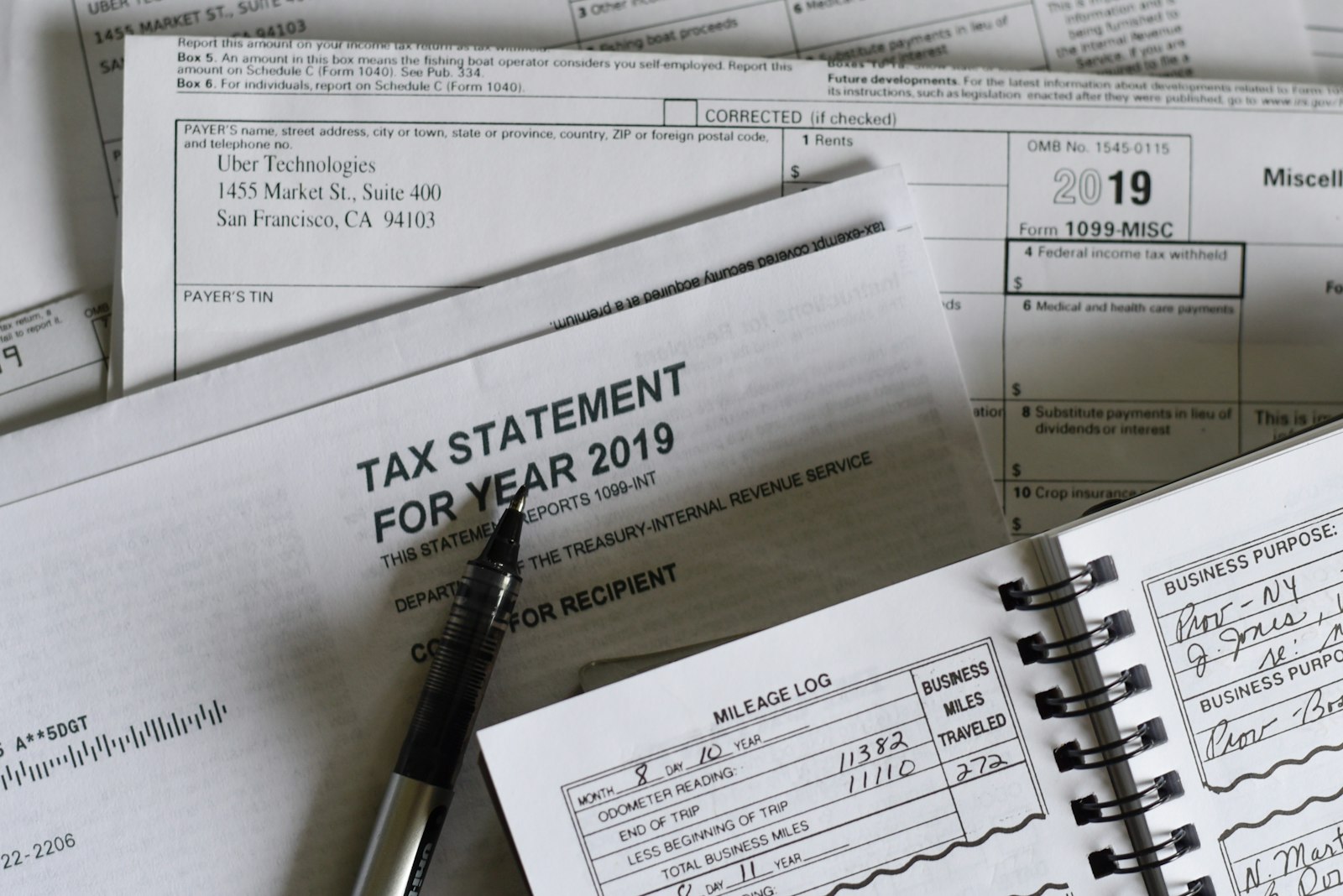
Few pieces of mail spike blood pressure like an envelope with the IRS eagle in the corner. Take a breath: the vast majority of IRS notices are routine correspondence, not accusations — computer-generated letters about a math adjustment, a missing form, or a balance. What turns a routine notice into a genuine problem is almost always the response — or the lack of one.
Step one: open it
It sounds absurd, but a meaningful share of tax emergencies begin with an unopened envelope in a drawer. IRS notices carry deadlines — commonly 30, 60, or 90 days — and your options genuinely shrink as those dates pass. Whatever the letter says, knowing is better than not knowing. Open it the day it arrives.
Decode the notice number
Look at the top or bottom right corner for a code like CP2000 or LT11. That code tells you exactly what the letter is and how serious it is. “CP” notices are mostly automated adjustments and reminders. “LT” and “Letter” series correspondence escalates toward collections. The IRS website describes each code — or send it to us and we’ll translate.
The five most common letters
- CP2000 — Underreported income. A 1099 or W-2 the IRS received doesn’t match your return. It proposes additional tax. It is not a bill yet — and it’s frequently wrong in part or in whole.
- CP14 — Balance due. The first bill. Interest and penalties are accruing, so respond quickly even if you can’t pay in full.
- CP501/CP503/CP504 — Payment reminders. An escalating series. By CP504, the IRS is warning it may levy state refunds and other assets.
- LT11 / Letter 1058 — Final notice of intent to levy. Serious. You generally have 30 days to respond or request a Collection Due Process hearing — a valuable right with a hard deadline.
- Audit letters (566, 2205). An examination of specific items. Real, but manageable — especially with representation.
How to respond
- Verify it’s real. The IRS initiates contact by mail — not by phone call, email, or text demanding gift cards. Scams mimic IRS letterhead; check the notice code and payment instructions (real payments go only to the U.S. Treasury).
- Compare it to your return. Pull the year in question and see exactly what the IRS thinks differs.
- Respond by the deadline, in writing, agreeing, disagreeing with documentation, or requesting time. Keep copies of everything and send anything important by certified mail.
- If you owe and can’t pay, don’t freeze. Installment agreements, currently-not-collectible status, and offers in compromise all exist — but they require engaging, not hiding.
The mistakes that make it worse
Don’t call the IRS unprepared and improvise answers — statements you make are noted in your file. Don’t pay a proposed CP2000 balance reflexively; a missing cost basis on a stock sale, for example, routinely turns a five-figure “proposed tax” into a few hundred dollars once corrected. And don’t sign agreement forms you don’t fully understand — some waive rights you may want later.
When to bring in a professional
A simple CP14 for an amount you agree with? Pay it and move on. But bring in representation when the amount is substantial, when you disagree, when multiple years are involved, or when the letters have escalated toward levies or audits. With a signed Form 2848, we speak to the IRS so you don’t have to — and we know which arguments actually work.
Got a letter sitting on the counter right now? Send it to us today — we’ll tell you what it means, free.